Punch To Break A Mountain Tier Lists
Class archetypes and glove rankings for punch power, speed, and gem farming.
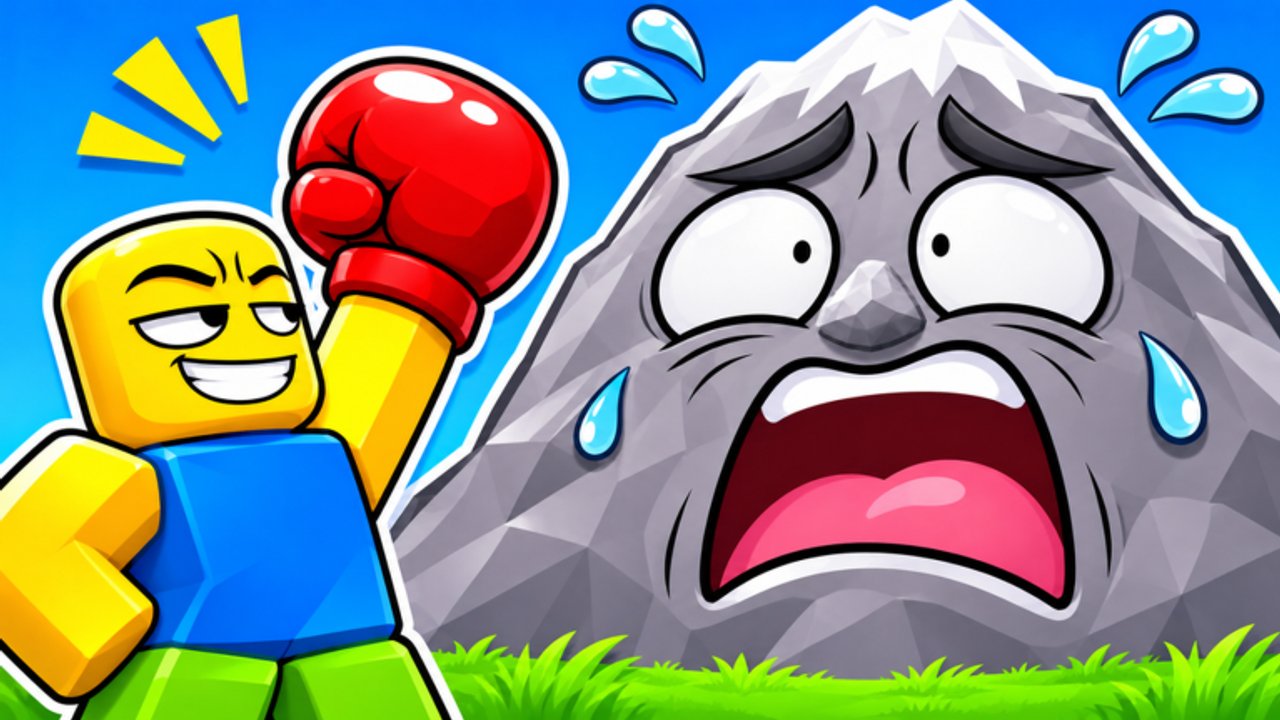
This Tier List Hub ranks how Punch To Break A Mountain builds feel across a full mountain clear. The game launched on 30 October 2026 with 12 classes, collectible gloves (including Spin Wheel exclusives), three difficulties, and fastest-win leaderboards with separate No Robux runs. Official public class name sheets are still thin, so our lists use a clear community archetype framework (bruiser, speed, area, gem farmer, and lettered Class A–L slots) instead of inventing fake official names.
Use these rankings as planning tools, not gospel. Patch notes on the Updates Hub can reshuffle power, punch area, or glove multipliers overnight. Cross-check with Classes overview, Best starter, Gloves tier list, and Upgrades.
How we rank
| Criterion | Why it matters |
|---|---|
| Early clear speed | Time to first Core on Easy / Medium |
| Mid scaling | How well cash upgrades multiply the kit |
| Late / Hard | Survive denser mountains and reach gems efficiently |
| Co-op value | Buffs or coverage that help a 2–4 player squad |
| No Robux viability | Strength without shop shortcuts for clean leaderboard runs |
S-tier means “first pick for most goals.” A and B are excellent with the right upgrades. C and below are niche, unfinished, or heavily outscaled until a buff lands.
Lists in this hub
- Classes Tier List — archetypes for bruiser, speed, area control, and gem-focused kits across early/mid/late
- Gloves Tier List — Spin Wheel exclusives vs common/craftable gloves by punch power and synergy
Meta snapshot (November 2026)
Early game rewards punch power and backpack so you stop trip-selling every few seconds. Mid game swings toward punch area and speed so you strip wider rock faces before the Core. Late game and Hard difficulty lean on class passives that multiply gem income or keep DPS stable when blocks get tanky. Skill-tree flight and higher jumps (see Skill tree) effectively raise every class a half-tier because travel time shrinks.
Gloves from the Spin Wheel often define the ceiling. A mid-tier class with an S-tier exclusive glove can outpace an S-tier class on a common glove — which is why we split class and glove lists instead of merging them into one muddy chart.
Co-op changes the math. A speed scout that tags outer layers while a bruiser holds the Core face can beat four identical bruisers. Read Co-op before locking a four-stack of the same archetype.
How to use tiers with upgrades
- Pick a starter archetype from Best starter.
- Spend cash per the Upgrade planner — power → backpack → area → speed is a strong default.
- Aim skill-tree nodes that unlock flight before luxury cosmetics.
- Re-evaluate glove goals after each free daily spin.
- Move up difficulties only when Core times feel comfortable; see Difficulties.
Related pages
- Players Hub — roster and starter advice
- Guides Hub — mechanic deep dives
- How to destroy the Core — gem loop execution
- Codes Hub — free spins and currency when live
Tiers will be revised when TA Studios publishes clearer class tooltips or when November+ patches change multipliers. If your favorite kit underperforms, check upgrade order and difficulty before blaming the tier letter alone.
Frequently Asked Questions
Quick answers to the most common questions.
Are these official TA Studios rankings?
No. They are a community framework based on known mechanics (power, speed, punch area, backpack, gloves, Core gems). Official class names may differ — we label archetypes clearly.
Should I follow class tiers or glove tiers first?
Early on, class choice and upgrade order matter more. Mid and late, Spin Wheel exclusive gloves can outweigh a one-tier class gap. Use both lists together.
Do tiers change on Hard difficulty?
Yes. Kits that scale with punch area and gem multipliers rise on Hard, while pure early bruisers can fall if they lack sustain or backpack space.
Where is the classes list?
Open the Classes Tier List for early/mid/late archetype rankings, then compare with the Gloves Tier List for Spin Wheel exclusives.